What is a mystery game?
A mystery game hands you a riddle whose solution isn't obvious. Unlike escape games or hidden object games, you're not hunting for items or sliding puzzle pieces around. You have to understand a story when all you know at the start is how it ends.
In What happened?, every setup is one to three sentences long. Your job: figure out how things got to that point. To do it, you ask questions that can be answered with yes or no.
This format is also known as a lateral thinking puzzle or situation puzzle – in some circles, a "minute mystery". It runs on lateral thinking: looking at the problem sideways instead of chasing the most obvious explanation. That's exactly what sets it apart from classic logic puzzles, where every piece of information is on the table from the start.
Why mystery puzzles are so addictive
The thrill of a good riddle lies in the gap between what you know and what must have happened. Every answer closes a piece of that gap – or rips open a new one. A "no" in the right place can topple your entire theory.
Then there's the aha moment: when the pieces suddenly click, the solution feels surprising and perfectly logical at the same time. That feeling is why situation puzzles have stayed such a popular way to pass the time.
The stories in What happened? are deliberately dark. They deal with death, accidents and crime, told with black humour and never gore. The morbid side sparks your curiosity; the cleverness of the reveal is what makes you grin at the end.
How the app helps you crack the case
For a long time, situation puzzles needed someone who knew the answer and could field the questions. In What happened?, an AI game master takes that role. It knows the solution to every story and replies with Yes, No, Partly, Irrelevant or "Not a yes/no question".
You can type your questions or speak them out loud. That means you can play solo whenever you feel like it – on the train, in a waiting room or on the sofa in the evening.
Every story has a fixed set of key facts. Guess them all and the case is solved. So there's no arguing over whether your explanation is "good enough": the goal is clearly defined, and you always know whether you've truly understood what happened.
100 stories, four packs, three difficulty levels
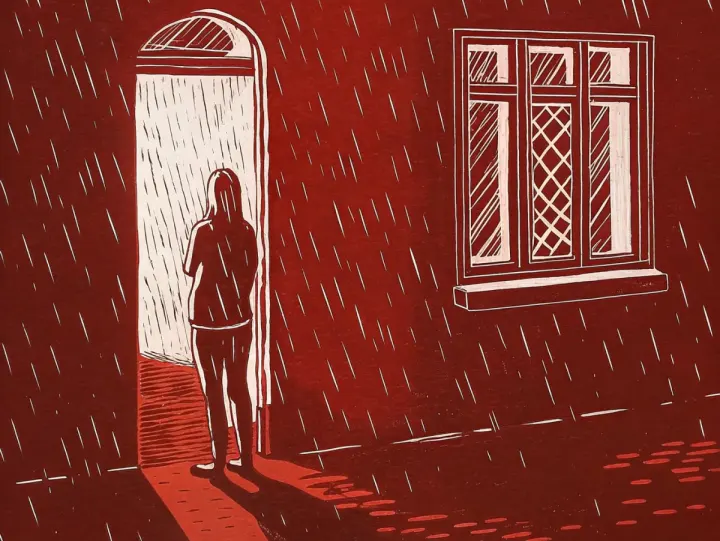
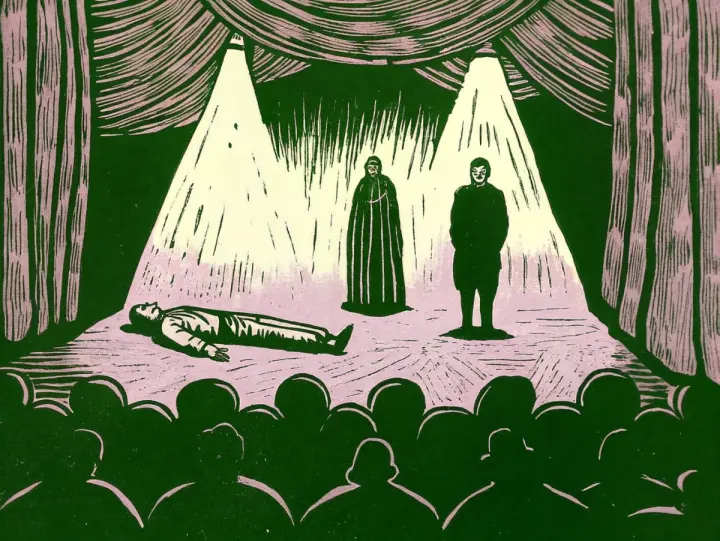
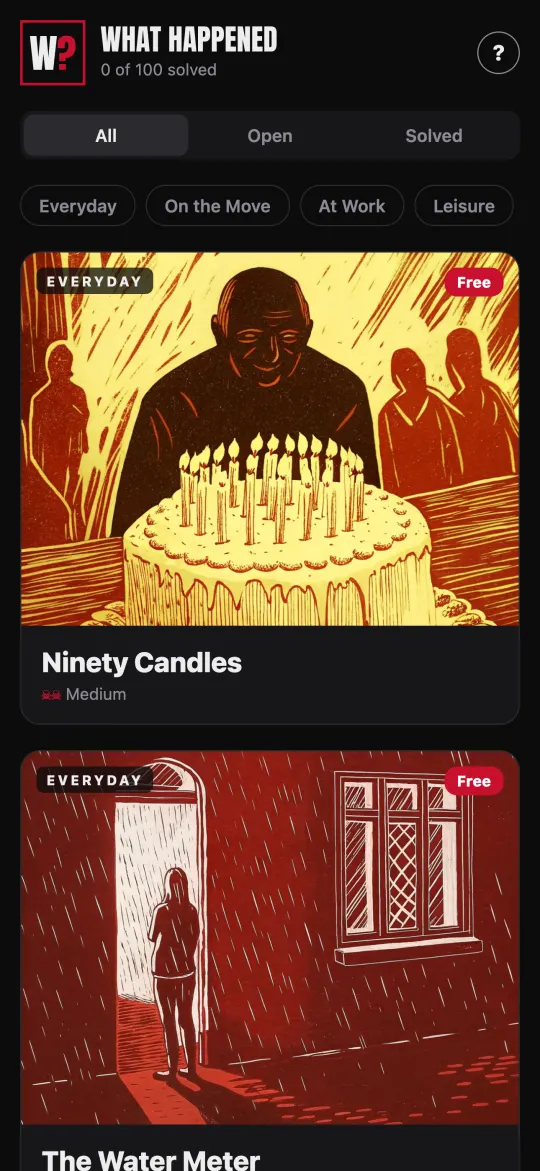
What happened? contains 100 original stories spread across four packs: Everyday Life, On the Move, Work and Leisure. Each story comes with its own woodcut-style illustration that underlines the dark mood.
The cases are sorted into three difficulty levels. Newcomers start with the easier riddles and learn which questions actually get them somewhere. If you're already practised, go straight for the tricky cases where you really do have to think sideways.
12 stories are free to play, three from each pack. If you like the game, buy individual packs for €2.99 each or all of them together for €7.99. There's no subscription, and packs you've bought keep growing with new cases. A push notification lets you know when new stories arrive.
Tips for your first mystery puzzle
Read the opening situation twice and pay attention to every word. The key is often hidden in a detail that sounds like a throwaway remark.
Start with broad questions: Did someone die? Was an accident involved? Is this happening in an unusual place? Then narrow things down step by step.
Take "Irrelevant" seriously. That answer tells you a lead goes nowhere and saves you a string of further questions in that direction. "Partly", on the other hand, means you're close but part of your assumption is wrong.
And above all: question your assumptions. Who says it's daytime, that the people are alone, or that everything happens in the same place? Try the examples below and put your strategy to the test right away.