The rules in 60 seconds
1. One person knows the solution: the game master. In What happened? that's either an AI game master or someone in your group.
2. The game master reads out the opening scene. It's short – one to three sentences in the app – and it raises one question: how could that have happened?
3. The players ask questions that can be answered with yes or no.
4. The game master answers truthfully. Alongside yes and no there's "Partly", when only part of the question is right, and "Irrelevant", when the question adds nothing to the solution.
5. The riddle is solved once the players can explain what really happened. In the app that means: every core fact of the story has been guessed.
The AI game master's five answers
Yes and no: the basics. Every clear answer either rules out possibilities or confirms a lead.
Partly: one part of your question is right, another isn't. That's a valuable hint. Break the question down into smaller pieces to find out which part holds true.
Irrelevant: the question has no bearing on the solution. That sounds disappointing, but it saves you time, because you can cross off a whole line of thinking.
Not a yes/no question: the AI can't answer with yes or no – for example because you asked "Why did he die?". Rephrase it, say: "Did he die of an illness?"
You can type your questions in the app or speak them out loud – just as if you were sitting across from a human game master.
Examples of good questions
Good questions rule out a lot at once. These types of question help with most riddles:
About the situation: Did someone die? Was it an accident? Was it deliberate? Was a crime committed?
About people: Is another person involved? Did the people involved know each other? Is the person who you'd assume they are?
About place and time: Does this happen in an unusual place? Does the time of day matter? Is there a long gap between the events?
About objects: Is a particular object important to the solution? Is something being used in an unusual way?
About the wording: Does a word in the opening scene mean something other than what you'd assume?
Less useful are very specific questions right at the start, such as "Did he cut himself with a red knife on a Tuesday?". They almost never land, and a no tells you next to nothing.
Lateral thinking puzzles with answers in the app
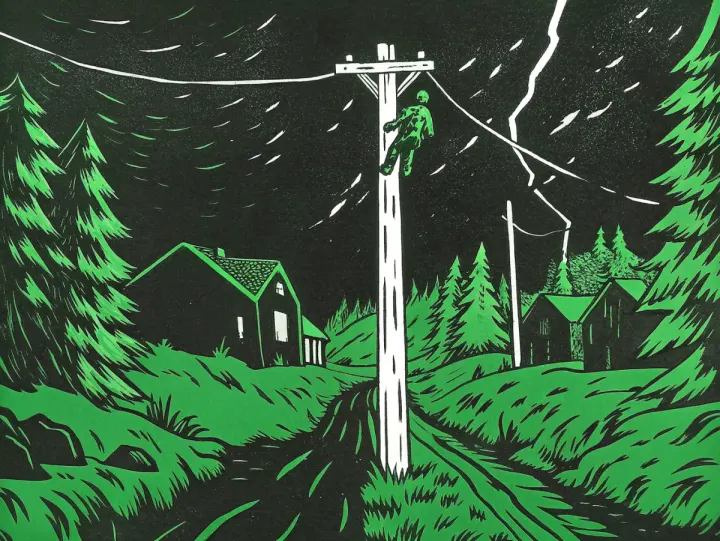
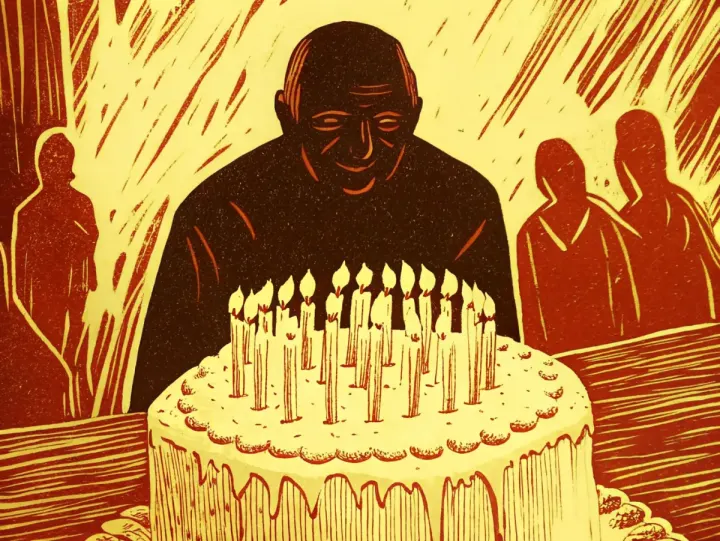
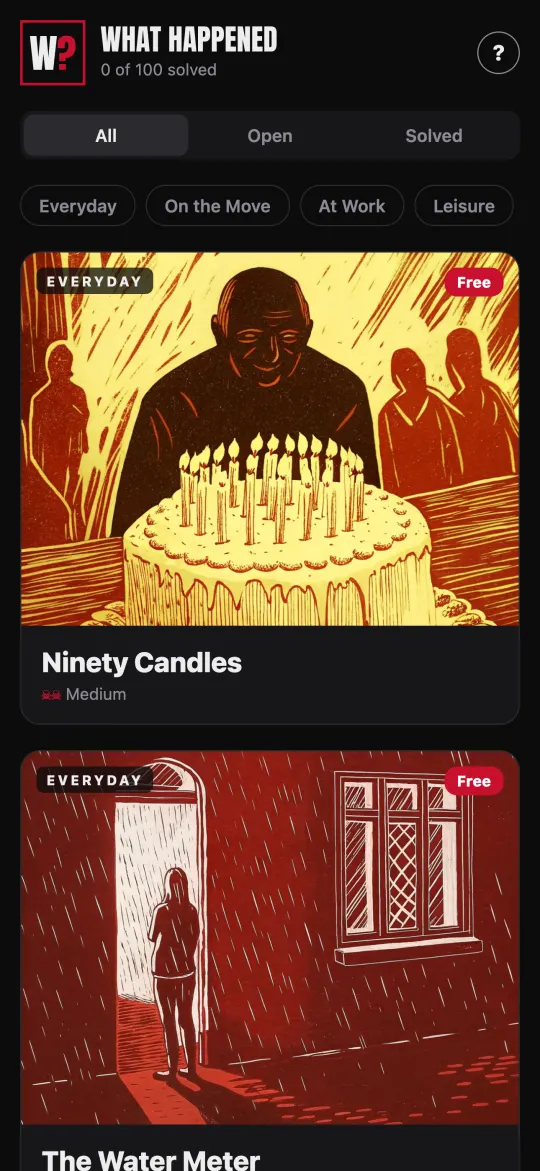
What happened? brings 100 original situation puzzles with answers to your phone, split into the packs Everyday Life, On the Road, Work and Leisure. Every story has its own woodcut illustration and one of three difficulty levels.
The big difference to riddle collections in books or online: you don't simply read the answer. You work it out question by question, and the AI game master tells you whether you're on the right track. Once you've guessed every core fact, the story is solved.
12 riddles are free, three from each pack. Further packs cost a one-off €2.99, or €7.99 for all of them. No subscription, no account, no ads. Try the examples below: think up your questions first, then unfold the solution.